
Slow Life in Marrakech — Why Morocco Changes Your Relationship with Time
At the Fellah, we’ve noticed something.
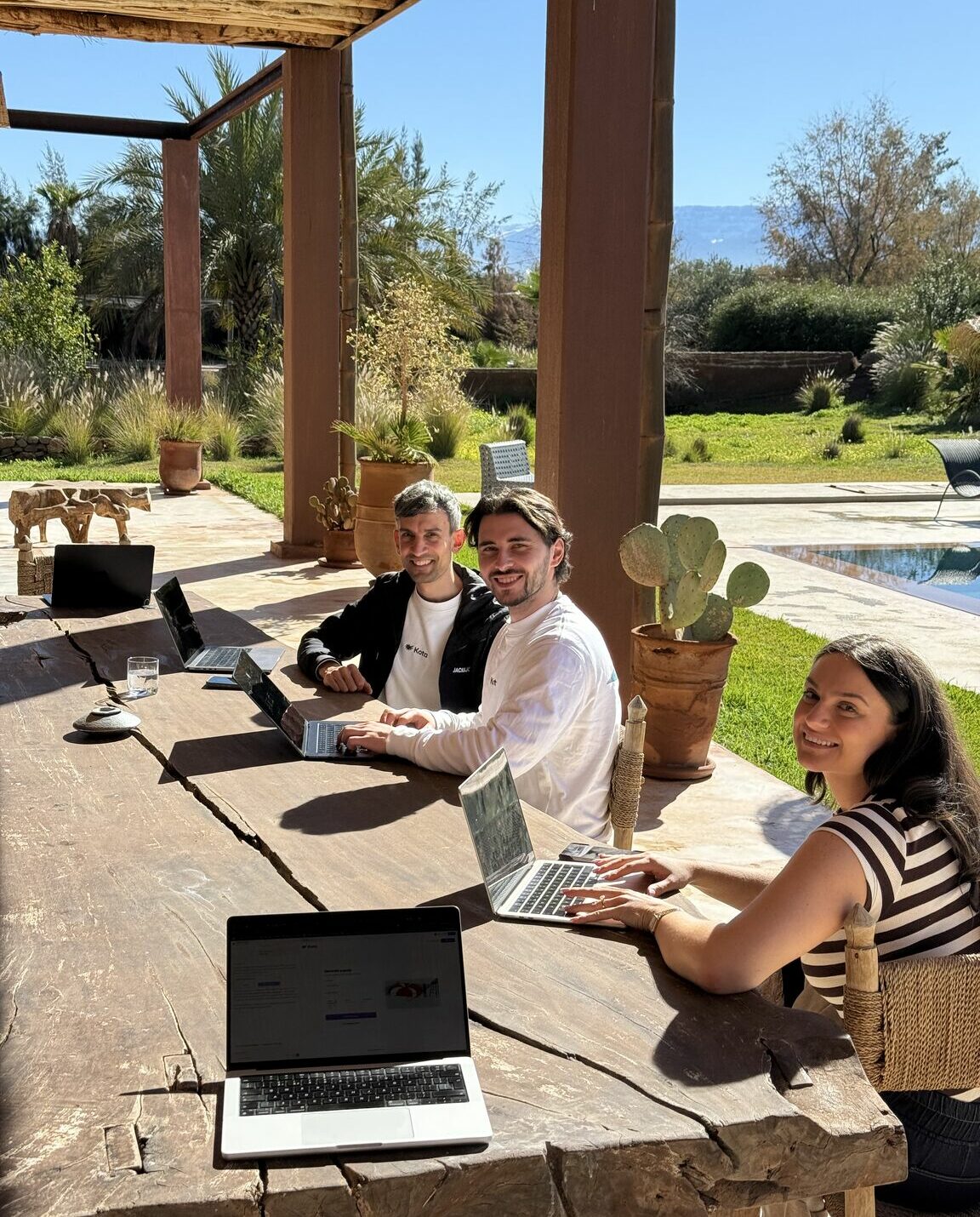
People arrive on Sunday with their heads still full. By Monday, they’re ordering a second coffee without checking the time. By Wednesday, they’ve stopped counting the days entirely.
It’s not the pool. It’s not the comfort of the rooms.
It’s Morocco doing that.
Here, time isn’t a resource to manage. It’s an atmosphere. A lunch that spills into the afternoon isn’t a delay — it’s a success. A conversation with a stranger over mint tea isn’t wasted time — it’s the best part of the day.
The slow life everyone is talking about right now, Moroccans have been living it for centuries without ever giving it a name.
Slow life in Marrakech is not a trend. It’s a culture.
Most people come to Marrakech expecting the medina, the souks, the organised chaos of Jemaa el-Fna. And it’s all there, twenty minutes from our door on the Route de l’Ourika. But what surprises people most isn’t the noise of the city — it’s the silence just outside it.
Out here, the Atlas sits on the horizon doing absolutely nothing, and somehow that’s enough. The farm wakes up slowly. Breakfast has no end time. The garden doesn’t care about your schedule.
This is what slow life actually feels like when it’s not a wellness concept sold in a magazine — when it’s just the way things are.
Why we built the Fellah the way we did.
We didn’t want to build another hotel near Marrakech. We wanted to build a place where the rhythm was different from the moment you arrived. Where the architecture, the farm, the food and the pace all pointed in the same direction — inward, slower, more present.
A place where slow life isn’t something you have to remind yourself to do.
It’s just what happens.
We’re not promising escape.
We’re promising something better than that — a return to yourself, on the Route de l’Ourika, at the foot of the Atlas.